Gopalpur Zoo is one of those places where the mountain setting is as important as the animals. Officially known as Dhauladhar Nature Park, the zoo sits on the Dharamshala-Palampur road in Kangra district with the Dhauladhar range rising behind the wooded campus. Established in 1992, the 12.5-hectare park was created to help visitors understand Himalayan wildlife and to support conservation, breeding, rescue and education in a region where wild animals and people often share the same mountain landscape.
Its collection has traditionally focused strongly on Himalayan and north-Indian species. Himalayan black bear, leopard, goral, barking deer, sambar and pheasants have been among the park’s best-known animals, and Forest Department material also describes a rescue role for wildlife brought in from different parts of Himachal Pradesh. The compact size means visitors do not need an entire day, but the combination of animals, trees, hillside air and mountain views makes the zoo feel more like a nature stop than a quick roadside enclosure park.
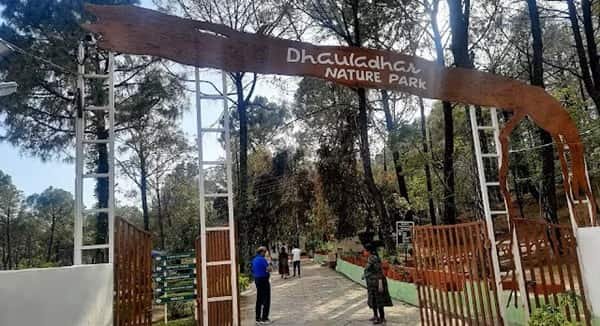
Gopalpur also fits naturally into a Kangra or Palampur itinerary. Himachal Tourism lists the park about 15 km from Palampur, while Forest Department information places it between Palampur and Dharamshala and only a few kilometres from Chamunda Devi Temple. Monday is the regular closure day. Published timing information has historically used a longer summer schedule and shorter winter hours, but current official tourism pages do not provide a fresh 2026 tariff-and-timing table. Recent visitor listings still generally place the zoo around 9:00 AM to 5:00 PM or longer in summer, so travellers should confirm same-day hours and ticket rates before making a special journey.
Quick About Gopalpur Zoo (Dhauladhar Nature Park)
| Particular | Details |
| Official name | Dhauladhar Nature Park (Zoo), Gopalpur |
| Location | Gopalpur, Kangra district, Himachal Pradesh 176059 |
| Established | 23 April 1992 |
| Area | About 12.5 hectares |
| Zoo category | Small Zoo |
| Weekly closure | Monday |
| Historic seasonal timing | Longer April-October hours; shorter November-March hours |
| Current official 2026 tariff online | Not clearly published |
| Known for | Himalayan black bear, leopard, goral, deer and pheasants |
| Best time | March to June and September to November; morning |
Gopalpur Zoo (Dhauladhar Nature Park) Opening and Closing Timing
| Day / Season | Opening | Closing / Details |
| Tuesday to Sunday | Commonly listed from 9:00 AM | Commonly listed to around 5:00 PM |
| Historic summer schedule | Earlier Forest/CZA material showed earlier opening / later closing | Confirm current summer hours locally |
| Monday | Closed | Weekly holiday |
| Recommended arrival | Morning | Better for animal activity and mountain weather |
Older official material shows seasonal variation in opening hours, while current public listings often simplify the day to roughly 9:00 AM to 5:00 PM. Because a fresh official 2026 timing notice is not easily available online, confirm the day’s schedule before travelling specifically for the zoo.
Gopalpur Zoo (Dhauladhar Nature Park) Ticket Price
| Ticket / Facility | Category | Price / Details |
| Zoo entry | Current official 2026 tariff | Not clearly published online |
| Recent public visitor listings | Adult | Around Rs. 50 – confirm at gate |
| Recent public visitor listings | Child | Around Rs. 10 – confirm at gate |
| Camera / parking | If charged | Check current counter notice |
| Wheelchair | Visitor facility in CZA reports | Historically listed free of cost |
Older official zoo sheets and newer visitor listings do not always agree on the adult rate. Rather than present one historic amount as a confirmed 2026 official tariff, this guide recommends checking the authorised gate price on arrival.
What to See at Dhauladhar Nature Park
Himalayan black bear and leopard are among the most memorable animals associated with Gopalpur. The park has also displayed goral, barking deer, sambar and Himalayan birdlife, including pheasants such as monal and kalij in different periods.
The wooded hill setting gives these species a more appropriate visual context than a hot plains zoo. Even visitors who spend only one or two hours here often remember the mountain atmosphere as much as the animal collection.
How to Reach Gopalpur Zoo
From Palampur: Himachal Tourism places Dhauladhar Nature Park about 15 km from Palampur. Taxi, local bus or private vehicle is practical.
From Dharamshala: The park lies on the Dharamshala-Palampur road, roughly 20 km from Dharamshala in Forest Department material.
From Chamunda Devi Temple: The zoo is only about 6 km from the famous temple, making the two easy to combine.
By Rail: Chamunda Marg / Chamundaji on the narrow-gauge line is the nearest rail option, followed by a road transfer.
By Air: Gaggal / Kangra Airport is the nearest airport, roughly 30-plus km away depending on the route.
Best Time to Visit Gopalpur Zoo
March to June and September to November are particularly comfortable for combining wildlife viewing with a Kangra Valley road trip. Spring and autumn provide pleasant walking weather and clearer mountain conditions on many days.
Winter can be cold but beautiful, while the monsoon brings heavy rain to the Dharamshala-Palampur belt. Morning visits are best if cloud, rain or afternoon travel is a concern.
Visitor Facilities and Practical Planning
CZA annual-report information has listed drinking water, toilets, lawns, shelters, food facilities, visitor guides and wheelchairs among zoo amenities. Because services can change seasonally, visitors should not rely on every counter or food outlet being open throughout the year.
The park is compact enough for a one-to-two-hour visit, making it easy to combine with Palampur, Chamunda Devi Temple or a Dharamshala-area itinerary.
Important Rules Visitors Should Know
Do not feed or tease animals, cross visitor barriers or make loud noises near bears, leopards and pheasant enclosures. Mountain zoos can be quieter than urban zoos, and maintaining that calm improves both animal welfare and viewing.
Weather can change quickly in Kangra. Use footwear with good grip and carry light rain protection even when the morning begins clear during the monsoon shoulder months.
Frequently Asked Questions
Q. Is Gopalpur Zoo mainly about Himalayan wildlife?
Yes. Its strongest identity comes from Himalayan and north-Indian species such as black bear, goral, deer, leopard and pheasants, together with wildlife education and rescue work.
Q. Why do websites show different ticket prices for Gopalpur Zoo?
Confirm the authorised gate rate instead of relying on an old screenshot.
Q. Can I combine Gopalpur Zoo with Chamunda Devi Temple?
Yes. The two are only a few kilometres apart and fit naturally into the same half-day route.
Q. How long should I keep for the zoo?
Around one to two hours is usually sufficient because the park is compact, though families and bird enthusiasts may stay longer.
Q. Is the zoo suitable for senior citizens?
Generally yes because the park is not enormous, and past CZA reports list wheelchair availability. However, hill terrain and weather can still affect comfort.
Q. Is Gopalpur Zoo the same as Dhauladhar National Park?
No. The correct zoological attraction is Dhauladhar Nature Park at Gopalpur. Some travel pages loosely call it a national park, which can cause confusion.